






Introduction
In modern industrial automation, precision and reliability are everything. Within industrial systems, every sensor, transmitter, and control valve forms a critical link in the operational chain. Maintaining the integrity of these systems relies heavily on precise measurement, stimulation, and signal verification. This is where the specialised tool, the loop calibrator, steps in, serving as a multifunctional tool across various applications. These versatile instruments offer multiple purposes, are available in various types, and are used across several applications. Moreover, this article explains what loop calibrators are, their core functions, available types, and versatility across different sectors.
What are Loop Calibrators? Definition & Key Features
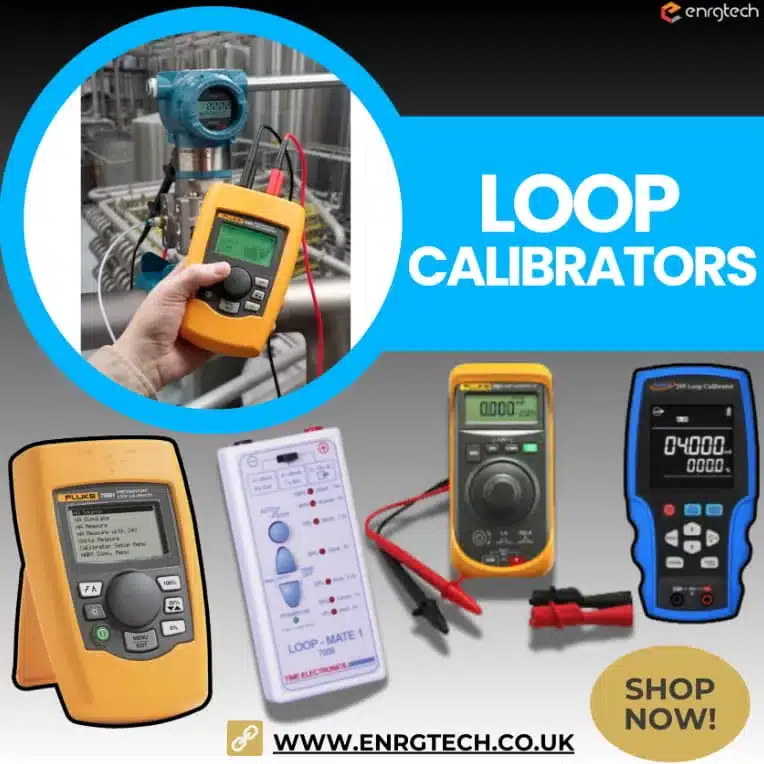
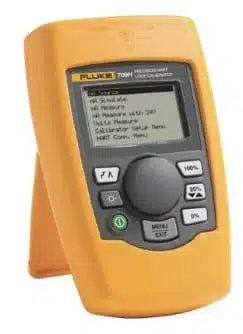
Loop calibrators, also called Milliamp (mA) calibrators or signal calibrators, are specialised hand tools engineered to calibrate various process instrumentations in demanding industrial environments. These multipurpose instruments can measure, simulate, and source current signals, most commonly with 4-20 mA current loops. A loop calibrator is a portable handheld device that allows technicians and engineers to verify that the field devices, such as transmitters, controllers, and actuators, are operating correctly within specific tolerances. Additionally, the core features of mA calibrators include robust accuracy, clear digital displays, portable designs, safety ratings, and data storage capabilities. They also include current sourcing and sinking capabilities, a loop power supply, and auto-step and auto-ramp functions.
The Significance of Loop Calibrators in Industrial Automation
Loop calibrators are of significant importance in a wide variety of industrial automation processes. These portable, precise instruments are the backbone of communication between various instruments, which are fundamental for transmitting variables such as pressure, temperature, and flow. The core significance of an mA calibrator lies in its ability to verify and maintain the integrity of the entire loop. However, this calibration is vital for regulatory compliance, optimising process efficiency, minimising material waste, and, most importantly, guaranteeing safe and stable operation.
What are the Key Purposes of Using a Loop Calibrator?
The main purpose of a loop calibrator is to ensure accuracy and reliability in measurement and control systems. Even minor errors in a control loop can lead to inefficient operation, product quality issues, or safety risks. By using a loop calibrator, technicians can quickly identify whether a problem lies with the sensor, transmitter, controller, or wiring. Some of their key purposes include:
- Verifying transmitter output accuracy
- Simulating process signals to test control systems
- Measuring loop current without interrupting the circuit
- Troubleshooting wiring, power supply, or device faults
- Supporting commissioning and preventive maintenance.
Most Standard Types of Loop Calibrators Explained
Loop calibrators vary by functionality, complexity, and accuracy. Some of the main types include:
- Basic Loop Calibrators
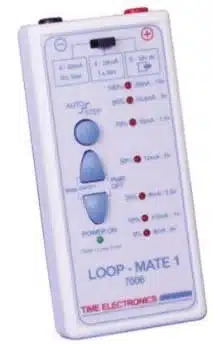
These are entry-level models designed to measure, simulate, and source current only. In addition, they are compact, easy to use, and suitable for technicians conducting basic loop checks. Basic mA calibrators may include a 24V loop power supply.
- Source and Measure Loop Calibrators
Designed to both source and measure current, these calibrators can simulate transmitters or read loop current. They offer full flexibility for field service tasks.
- Precision Loop Calibrators
These instruments offer higher accuracy and resolution. They are designed to calibrate critical instruments to high accuracy. Precision calibrators include advanced features, such as HART communication, which are suitable for advanced diagnostics.
- Multifunction Calibrators
These sophisticated tools can offer comprehensive calibration work. They can handle calibrations of current, voltage, temperature, and pressure. Multifunction calibrators are equipped with advanced features like data logging and HART communication support, making them suitable for technicians working with multiple signal types.
- Documenting Calibrators
These advanced calibrators store test results and automatically generate calibration reports. Moreover, they are often used for regulatory compliance and quality assurance.
Industries That Use Loop Calibrators: Exploring Their Versatile Applications
Loop calibrators are used across various industries to ensure the reliability and accuracy of process control systems. However, here are some common application areas:
Oil and Gas: Used in calibrating pressure and temperature transmitters in upstream and downstream processes.
Chemical Processing: Ensure proper flow and mixing of chemicals by precisely calibrating flowmeters and control valves.
Water and Wastewater Management: Maintain accuracy of pH, flow, and turbidity sensors through loop testing and simulation.
Food and Beverage: Calibrate temperature sensors and transmitters used in sterilisation and quality control processes.
Power Generation: Used in testing instruments to monitor boiler pressure, steam flow, and turbine speed.
Pharmaceutical Industry: Crucial in ensuring that environmental monitoring and process parameters comply with strict regulatory standards.
Final Thoughts
Loop calibrators are indispensable tools for anyone working in process automation and control. By enabling precise measurement, simulation, and troubleshooting of current loops, they help industries maintain efficiency, safety, and compliance. From simple measurement devices to advanced multifunction calibrators, mA calibrators ensure that control systems perform exactly as intended. Finally, investing in these versatile hand tools can save time, reduce costs, and prevent costly system failures.
Related posts:
 Expert Tips for Cleaning Electronics Safely: Speed Cleaning
 Understanding Light Meters – An Ultimate Guide
 Comparing C Batteries vs. D Batteries: Finding the Right Choice
 Exploring Popular Micro SD Cards for Superior Performance
 Push Button Switch: Explore Its Working and Applications
 Why Do You Need Tyre Inflators? Top 10 Benefits Unveiled
 Spanner Sets: All-in-One Solution for Your Wrenching Needs
 Torches & Inspection Lamps – See the Unseen
 Blockchain: A Complete Beginners Guide
 HVAC Air Filters: Exploring Their Importance in Enhancing Indoor Air Quality
 Schneider Electric: Industrial Automation and Control
 Stopwatches & Timers: An Ultimate Guide for Every Purpose


