






Introduction
Walking into the hardware aisle to find a metal-cutting tool can feel surprisingly intimidating. Most beginners start by reaching for heavy-duty kitchen shears or a pair of pliers, only to end up with jagged edges, sore hands, and a ruined project. Enter the tin snip, a simple yet functional tool that bridges between a rough sheet of metal and a professional-looking finished product. This guide is specifically designed for first-time users. You will learn everything from the ground up—starting with the basics and moving through the various types, the materials they can handle, the essential colour-coding system, and how they differ from other cutting tools.
What are Tin Snips: Basic Definition & Core Functionality
Tin snips, also called metal cutters or tin shears, are specialised scissors-like hand tools designed to cut or trim through thin sheets of metal. These handheld tools feature two pivoted metal blades operated by long handles that provide the necessary leverage. The primary purpose of the snip is to transform raw metal sheets into specific shapes and sizes, making it indispensable for a variety of tasks. A core functionality of this tool is its ability to make clean, accurate cuts without deforming the surrounding metal. Ultimately, these precision cutting tools transform a cold, rigid sheet of galvanised steel into something both functional and beautiful.
Simple vs. Compound Tin Snips: Two Main Categories You Need to Know
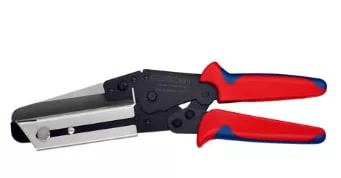
Tin snips are broadly divided into two categories: simple and compound-action models.A simple or standard tin snip resembles traditional scissors, featuring long handles and short blades. Prized for their durability and lightweight design, these tools are affordable and produce exceptionally clean cuts in thin metal sheets. However, they require significant grip strength to operate, which can often lead to hand fatigue over time.
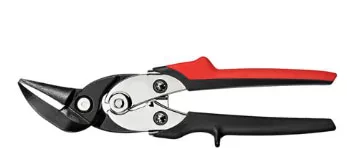
In contrast, compound snips—commonly known as aviation snips—utilise a double-pivot linkage system that multiplies the force you apply. This design allows them to cut through thicker or tougher metals with less effort and reduced hand fatigue. Because they are better suited for frequent use and longer cuts, compound-action snips have become the industry standard for most modern projects.
Common Materials You Can Cut Using a Tin Snip: A Brief Look
Tin snips are far more versatile than their name suggests, slicing through a wide variety of thin, tough materials. While their primary purpose is to shear sheet metals like aluminium, tin, copper, and brass, they are equally effective at handling thin plastic sheets, vinyl, rubber, wire mesh, and light hardware cloth. Their high-leverage design allows them to tackle items that would ruin standard scissors—such as thin wire, rubber gaskets, and plastic sheeting. Beyond the workshop, tin shears can even cut through light-gauge stainless steel, making them a favourite for creative DIY life hacks.
Most Standard Types & Uses of Tin Snips Explained
Metal cutters are available in various versions based on cutting direction, curve options, blade patterns, and materials. Some popular variants include:
Types Based on the Direction Pattern and Curves:
Tin snips are categorised primarily by the direction they cut and the type of curves they can handle, including:
- Straight Cut Tin Snips
Straight cut tin snips are designed for long, straight cuts and gentle curves. They are ideal for trimming sheet metal, ducting, and metal flashing where precision and stability are important. These snips are commonly used in general metalworking and HVAC tasks.
- Left Cut Tin Snips
These metal cutters are optimised for cutting tight left-hand curves. They allow better control when following curved layouts and help prevent the metal from twisting during the cut. Left-cut models are beneficial for circular cutouts and detailed shaping.
- Right Cut Tin Snips
As the name suggests, right-cut snips are used for cutting curves to the right. Like left cut versions, they improve visibility and control when cutting along marked lines. They are widely used in roofing, fabrication, and light industrial applications.
Types Based on Specialised Blade Patterns
Beyond standard aviation snips, several specialised patterns exist for specific thicknesses or shapes, including:
- Duckbill Pattern
Named for their tapered, flat blades, these snips are designed for cutting sharp curves and circles. Because the blades are thinner, they are best suited for lighter-gauge metals.
- Bulldog Pattern
These have short, thick blades and extra-long handles. They provide maximum leverage and are used for heavy-duty cutting, such as notching or trimming thick alloys (up to 16-gauge steel).
- Offset Snips
Offset snips have blades angled away from the handles, allowing you to keep your hands above the metal sheet as you cut. This prevents knuckles from getting scratched and makes it easier to make long, continuous cuts.
Colour Coding of Tin Snips: Which One Do You Need?
Aviation snips are almost always colour-coded by their handles. This isn’t for aesthetics—it tells you (especially for beginners) which direction the tool is designed to cut. The most common colours include red, green, and yellow.
Red-handle Tin Snips: These models signify left-cut snips designed to cut in a clockwise curve or a straight line. They are ideal for right-handed users making left-turning cuts.
Green-handle Snips: This colour represents right-cut models used for counter-clockwise curves. They work best when cutting curves to the right.
Yellow-handle Tin Shears: Yellow handles indicate straight-cut models or compound-action snips built specifically for long, straight cuts and gentle curves in sheet metal.
Tin Snips vs. Other Metal Cutting Tools: A Brief Comparison
Tin snips are indispensable for cutting thin sheet metal when precision, control, and clean edges matter. Compared to power tools like angle grinders, tin snips are safer because they operate without sparks, noise, or heat. Hacksaws can cut metal too, but they are slower and less accurate on curved or intricate cuts. Other tools, like power shears and nibblers, offer speed and consistency for repetitive tasks, but they require electricity and cost more. Ultimately, tin snips remain the best choice for portability and fine detail. However, they are typically limited to metals thinner than 18-gauge, necessitating a switch to mechanical or abrasive tools for heavy-duty industrial tasks.
Key Takeaways
Tin snips are an empowering tool for any beginner. They’re cost-effective, easy to use, and highly effective for clean, precise cuts. Once you understand the colour coding and master the correct usage techniques, you can manipulate sheet metal with surprising precision. Start with a scrap piece of aluminium flashing to get a feel for the tension before moving on to your main project.
Related posts:
 Contactors vs. Relays: A Comparison Guide
 Air Screwdrivers: Benefits, Types & Applications
 A Comprehensive Guide About the ESP32 Microcontroller Series
 Cinch Connectivity Solutions 101| Cinch Connectors
 Benefits of Wifi 6 for Enterprise IoT Applications
 The Significance of Rechargeable Batteries in Various Applications
 Pros and Cons of Manual vs. Electric Grinders – Power Tools
 Wire Strippers in Electronics, Cabling & Maintenance
 Battery Testers Explained: What They Do & Why They Matter?
 All About Clinch Nuts: The Complete Guide
 The Essential Role of Routers in Modern Networking
 All About Motor Controllers: Enhancing Electric Motor Efficiency


