


Introduction
In the world of electronics and industrial machinery, heat is both a byproduct and a potential predator. Without precise control, rising temperatures can lead to catastrophic hardware failure or even fire hazards. This is where the thermostatic switch becomes invaluable. These reliable, cost-effective components are designed to monitor thermal levels and serve as a first line of defense. This article provides an in-depth understanding of thermostatic switches, their significance, key comparisons, and crucial selection parameters.
Understanding Thermostatic Switches: Basic Definition & Core Functionality
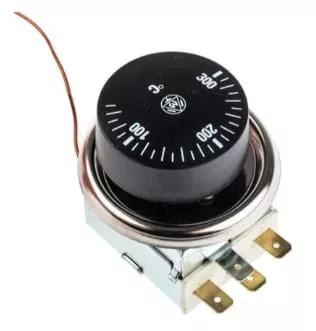
A thermostatic switch (often called a thermostat switch or thermal switch) is an electromechanical temperature-sensitive device well-designed to open or close an electrical circuit in response to changes in temperature. These switches operate automatically and do not require manual input once installed. Think of them as the “brain” behind your toaster, space heater, or refrigerator—they ensure these devices don’t overheat or freeze by reacting to the thermal environment in real time.
The main function of a thermal switch is to prevent overheating or maintain a desired temperature range without requiring complex electronic control systems. It detects temperature changes, responds at a predefined set point, and automatically opens or closes an electrical circuit. In short, the core functionality of a thermostat control switch involves temperature regulation and safety protection.
Difference Between a Thermostat and a Thermostatic Switch
While they sound similar, thermostats and thermostatic switches serve very different roles. The core distinction lies in how they manage heat. A thermostatic switch is a simple, binary component. It acts as an on/off trigger for an electrical circuit when a specific, often fixed, temperature threshold is reached.
In contrast, a thermostat is a more sophisticated control system. It constantly monitors environmental temperature and adjusts the heating or cooling system to maintain a user-defined setpoint. Think of the switch as a safety fuse that reacts to a limit, whereas the thermostat is a continuous manager that balances the climate.
The Significance of Thermostatic Switches in Modern Electronics
Modern electronics are getting smaller, more powerful, and consequently running hotter. As components are packed more tightly into the chassis, the margin for thermal error shrinks. This makes thermostatic switches vital; they offer a hardware-level failsafe that operates independently of software. In many systems, these switches trigger cooling fans or force a total shutdown if a system exceeds safe operating temperatures. Because they are mechanically driven, they are incredibly reliable; they don’t crash or suffer from software bugs. This reliability makes them indispensable in critical infrastructure, automotive systems, and medical devices where safety is non-negotiable.
Thermostatic Switches vs. Thermal Sensors: What’s the Difference?
While the terms are often used interchangeably, there is a fundamental functional difference between a switch and a sensor. A thermostatic switch is a control device that directly acts on temperature changes by opening or closing a circuit. Thermal sensors, on the other hand, are measurement devices. They detect temperature and convert it into an electrical signal for a separate controller or monitoring system to interpret.
Sensors do not act on their own; they rely on external electronics to decide what to do. Essentially, a sensor provides a stream of data (e.g., the temperature is currently 42.5°C), whereas a switch provides direct action and protection, acting as a decision-maker (e.g., it is too hot; I am cutting the power now).
Why Do We Need Thermostatic Switches?
Thermostatic switches are needed to protect equipment, users, and environments from the risks associated with excessive or insufficient temperatures. Their necessity boils down to protection and efficiency. Without them, many of our daily appliances would be run-to-failure devices. Some of the key reasons to have these devices include:
Fire Prevention: By cutting power to heating elements in irons or space heaters when they tip over or overheat, these switches prevent domestic fires.
Energy Efficiency: They ensure that cooling systems, such as industrial fans or HVAC units, run only when necessary, saving significant energy.
Equipment Longevity: Components like CPUs and motors have lifespans that degrade exponentially with heat. By maintaining a steady thermal environment, thermal switches extend the ROI of expensive machinery.
Automated Control: Temperature switches eliminate the need for manual monitoring, ensuring systems operate optimally without user intervention.
Selection Guide: How to Choose the Right Thermostatic Switch?
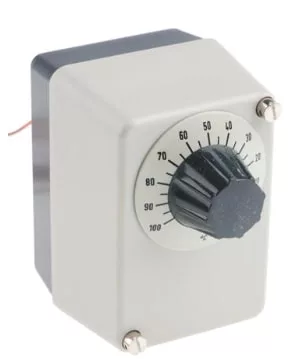
Choosing the correct thermostatic switch requires careful consideration of several factors:
Temperature Range: Ensure it suits the operating environment.
Reset Type: Auto-reset vs manual reset.
Response Time: Critical for applications needing fast reaction.
Mounting Style: Surface, panel, or pipe-mounted.
Contact Type: Normally open (NO) or normally closed (NC).
Switching Capacity: Voltage and current capacities must match the system requirements to ensure safe, reliable switching.
Environmental Conditions: Consider humidity, vibration, and dust exposure.
Final Thoughts
Thermostatic switches might not be the flashiest part of a circuit board, but they are undeniably essential. By providing a mechanical, automated, and fail-proof method of managing heat, these thermal management components bridge the gap between high-performance operation and absolute safety. Selecting the right thermostatic switch not only improves safety but also enhances performance, efficiency, and durability of the entire system.


