


Introduction
Batteries power a huge part of our daily lives, yet many people replace them based on guesswork rather than actual condition. Knowing whether a battery is truly good or dead—or if the device itself is the problem—is essential. Enter a battery tester that serves as a bridge between guesswork and certainty. By helping professionals detect issues early, these testers reduce downtime and protect valuable equipment. This article explains what battery testers are, what they do, and why they are vital to effective electrical and electronic maintenance.
What are Battery Testers? Definition & Core Functionality
Battery testers, also known as battery analysers, are specialised electronic devices that determine the operational status and health of an electromechanical cell or battery pack. A fundamental functionality of these tools is to assess or identify failing batteries before they cause system downtime or equipment damage.
To achieve this, testers evaluate whether a battery is fully charged, weakened, or nearing failure by analysing parameters like voltage output, resistance, and load response. Most modern battery analysers feature digital displays for real-time data, thermal sensors, and polarity protection, while offering support for multiple battery chemistries.
The Compatibility of Battery Testers: Which Batteries Can They Check?
Battery testers are versatile tools designed to work with a wide array of battery types. Their compatibility depends largely on whether the device is a simple analogue indicator or a sophisticated digital analyser. Most modern testers can check common household batteries such as AA, AAA, C, D, and 9V cells. Universal testers expand this range to include small button cells and specialised photo batteries.
Moreover, many testers are also compatible with high-capacity batteries found in power tools, backup systems, and automotive applications. In short, depending on the specific device and battery chemistry, a tester can effectively evaluate everything from standard household and rechargeable batteries to automotive and industrial backup systems.
Battery Testers vs. Multimeters: Finding the Difference
While battery testers and multimeters may look similar, they serve distinct purposes and different types of users. A battery tester is specifically designed for routine checks on AA, AAA, automotive, and rechargeable batteries; it provides a quick, reliable indication of whether a cell can actually perform under real-world conditions. For even deeper diagnostics, a specialised battery analyser can help determine if a battery is truly reliable enough to keep in service.
On the other hand, multimeters are versatile diagnostic tools primarily used to check a battery’s open-circuit voltage. While they are perfect for testing household wiring, electronics, and circuit continuity, they don’t always accurately reflect a battery’s condition under load. Instead, they offer a broader scope by measuring current, voltage, resistance, and continuity. Ultimately, the choice depends on the task: battery testers offer speed and clarity for specific power cells, whereas multimeters provide broader measurement capabilities for electronic troubleshooting.
Most Popular Types of Battery Testers Available in the Market
The market in 2025 is dominated by various categories based on the battery chemistry, integrated features, parameters to check, and intended applications. The four main categories include:
Analogue Battery Testers: These testers use a needle gauge or a calibrated scale to show charge levels. They are simple to use and provide instant visual feedback for quick home checks of standard AA, AAA, C, and D batteries. An analogue battery tester is incredibly reliable and does not require a power source to test most batteries.
Digital Battery Testers: These testers replace the swinging needle with an LCD or LED screen. They offer precise numeric readings by eliminating the guesswork of reading a moving needle. Digital models are compact, easy to read, and integrate advanced features like internal memory, auto-shutoff, and percentage indications.
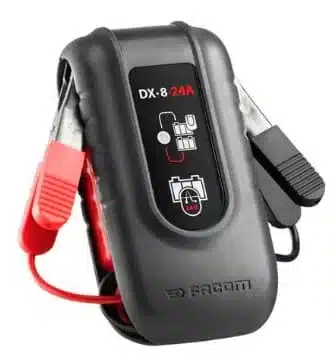
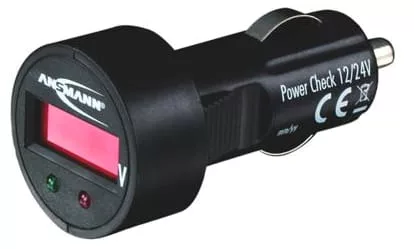
Automotive Battery Testers: These are heavy-duty testers specifically designed to handle the high amperage of 12V or 24V vehicle batteries. These testers can identify weak batteries before failure and help diagnose issues related to alternators or starters.
Smart & Advanced Battery Analysers: These advanced testers combine digital testing with intelligent features. They provide detailed diagnostics and sometimes connect to smartphones or computers. These specialised testers are essential for maintaining critical systems where battery failure is not an option.
Why Do Battery Testers Matter? Exploring Their Role in Modern Systems
Battery testers matter significantly because modern systems depend on stable, predictable power to operate safely and efficiently. The major notable benefits of using these testers include:
- Preventing Unexpected Failures
Dead or weak batteries often fail without warning; hence, the primary reason to own a tester is reliability. It helps identify declining performance early, reducing the risk of sudden downtime. For a car owner, a battery tester can catch a failing battery months before it leaves you stranded in a parking lot. For emergency backup systems (like a UPS or home alarm), regular testing ensures the system will actually work when the power goes out.
- Saving Time and Money
Many people replace batteries prematurely, while others replace them too late. This wastes money and time. Battery testers help strike the right balance by identifying batteries that truly need replacement.
- Promoting Safety
Damaged or overcharged batteries can overheat, leak acid, or even explode. High-end testers can detect internal shorts, which signal that a battery has become a safety hazard.
Final Thoughts
Battery testers are indispensable tools that maintain the health of power sources across everyday devices and complex systems. These multifunction devices provide targeted insights that general instruments like multimeters cannot always deliver. With their unique compatibility with multiple battery chemistries and availability of popular models, users can incorporate a specific tester to protect their investment and prevent unexpected failures in modern electronic and electrical systems.


