






Introduction
In the complex world of fluid dynamics, some of the most critical jobs are handled by the simplest tools. Also, a single malfunctioning valve can lead to thousands of dollars in wasted water, structural damage, or halted production lines. Enter the float valve: a humble, mechanical sentinel that translates the rise and fall of a liquid surface into a mechanical seal. Read this blog to understand what exactly float valves are and why they matter in seamless operation across various fluid control systems.
What are Float Valves? Definition & Core Functionality
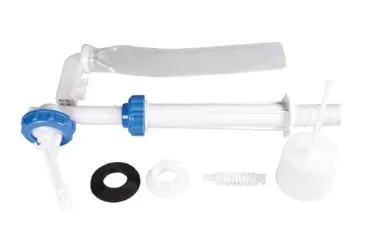
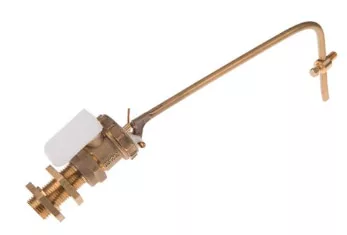
A float valve, often called a ballcock, is a mechanical device well-designed to regulate the flow of liquid into a tank or container. Its core purpose is to maintain a consistent liquid level and prevent overflowing or dry-running. Moreover, these tools control the liquid levels by integrating a floating component—typically a ball or cylindrical float—attached to a lever and valve. Acting as an automatic on-off switch, the float valve opens or closes when the liquid reaches a predetermined level. Ultimately, these plumbing devices serve as the primary line of defense in fluid control, providing a fail-safe, power-free method for maintaining constant tank levels.
The Continuing Importance of Float Valves Over Other Fluid Control Devices
Despite the proliferation of sophisticated fluid-control devices, float valves remain staples of fluid management. Their enduring status as a trusted solution stems from a unique blend of autonomous reliability, simplicity, and durability. Unlike electronic sensors and actuated valves, which require a consistent power source, a float valve functions effectively without electricity. This purely mechanical nature eliminates common failure points such as signal interference, corroded electrical contacts, or firmware glitches. Furthermore, with fewer moving parts subject to electrical wear, float-controlled valves are inherently cost-effective. Ultimately, the ballcock’s “install and forget” durability makes it a simple yet superior choice for various fluid-control applications.
Most Standard Types of Float Valves Explained
Float valves come in various types, and their designs vary significantly based on pressure requirements, space, and technology. Some of the most popular options include:
- Ballcock Valves
These are the most recognisable models primarily used in residential toilet tanks and small water troughs. However, they regulate water levels efficiently by using a hollow, buoyant ball (the ballcock) attached to a metal or plastic lever arm.
- Pilot-Operated Float Valve
These are heavy-duty valves designed for high-pressure systems or large industrial tanks. The built-in float controls a pilot valve, which in turn operates the main valve. Pilot-operated valves feature a snap-action mechanism, ensuring stable pressure and consistent performance.
- Tank-Mounted vs. Inline Float Valves
These valves are designed based on how they physically mount in relation to the tank. Tank-mounted models are installed either inside the tank or on its side and control the incoming water based on the tank’s internal water level. Inline float valves, on the other hand, are installed within the piping outside or away from the tank.
- Electronic Float Valve
While not purely mechanical, these valves combine float sensing with electrical control. They are used when integration with automation systems is required, though they need power and sensors.
Why Float Valves Matter in Fluid Control Systems?
You might wonder why we still use mechanical floats in an age of digital sensors. The answer lies in their reliability and simplicity. They serve as the primary automated brain for countless systems. Here is why these valves are still indispensable in fluid control:
- Automatic Level Management
Float valves provide 24/7 automated level regulation without human intervention. They avoid spills, waste, and the need for constant supervision. Moreover, ballcocks ensure that a system never runs dry (which could damage pumps) and never overflows (which causes waste and water damage).
- Energy Efficiency
Float valves contribute indirectly to more efficient energy use. Unlike electronic solenoid valves, standard ball taps require zero electricity. They operate purely on the mechanical energy provided by the rising water. This makes them ideal for remote locations or systems where power failure is a concern.
- Fail-Safe Reliability
With few moving parts, float-controlled valves are incredibly durable. If a sensor fails, a computer might crash; if a float valve is maintained properly, physics will always ensure the ball floats.
- Cost-Effectiveness
Few fluid control components are as affordable as a float valve. They are inexpensive to manufacture, easy to install, and can be repaired with simple tools. Additionally, they don’t require power and minimal maintenance, making them an affordable solution for fluid level control.
Final Thoughts
Float valves are a fundamental component in many fluid control systems. By balancing the physical principles of buoyancy and pressure, these devices automatically manage liquid levels and enhance safety across both domestic and industrial applications. Ultimately, they serve a vital purpose: preventing waste and ensuring that systems run smoothly while keeping our floors dry.
Related posts:
 The Significance of Cable Glands in Cable Management
 Photodiodes Explained: Key Semiconductors in Modern Electronics
 An Overview of Multifunctional LED Strip Lights
 Understanding Contactors: Their Role in Modern Electrical Circuits
 Soldering Stations Explained – An Ultimate Guide
 Drawer Runners | A Complete Guide
 The Importance of Reed Relays in Modern Electronics
 Current Clamps in Precision Electrical Diagnostics
 End Mills – High-Precision Cutting Tools for Milling & Machining
 Understanding Light Meters – An Ultimate Guide
 Torque Screwdrivers | A Complete Guide
 What are Lamp Holders? Your Complete Guide


