


Introduction
In modern offices and home environments, the printer (especially a laser printer) remains an indispensable tool. Yet for many, the very heart of this machine is the toner cartridge—an indispensable tool for fast, high-volume document production. This sophisticated component influences print decision, longevity, and cost-effectiveness. This ultimate guide provides a clear, expert breakdown of what toner cartridges are, their pivotal role, popular types, compatibility, and maintenance so that you can print smarter.
What is a Toner Cartridge and What is Toner?
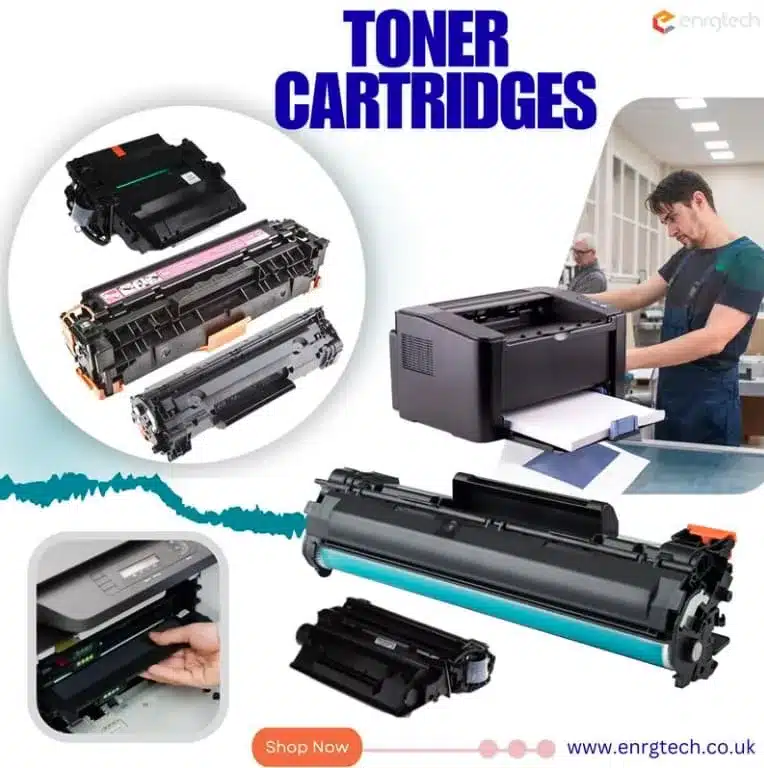
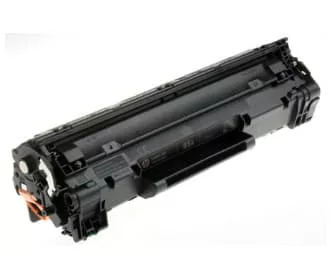
Toner cartridges, also called laser toners or printer toners, are the replaceable consumable units used in laser printers and photocopiers. These toners are designed to create printed text and images on paper. A toner cartridge serves as a container that holds the printer material—toner. Toner is a fine, dry powder typically composed of granulated plastic particles, carbon (for black toner), and other colouring agents, such as cyan, magenta, and yellow, for colour prints. The core function of laser toners is to store, transfer, and precisely distribute this toner powder during the printing process. Instead of liquid printer ink, printer toner is particularly suitable for high-volume document printing, delivering crisp, precise output.
The Role of Toner Cartridges in Business Printing
Toner cartridges are essential components in business printing workflows. They directly impact the overall efficiency of business printing operations and help maintain a professional standard in communication and record-keeping. Efficient toner use can cut printing costs by up to 30%, benefiting both the budget and the environment. A toner cartridge can handle high print volumes with minimal downtime, deliver sharp text and smudge-free results, and be essential for professional environments. Moreover, the high yield and long shelf life of a printer toner support continuous workflow, making it an indispensable component in modern business environments.
Toner Cartridges vs. Ink Cartridges: Finding the Difference
Both the toner and ink cartridges serve the same purpose in printers; however, they differ in terms of composition, performance, print quality, and quantity. The core difference between these two cartridges also lies in their contents and the printing technology they support. Ink cartridges for inkjet printers contain liquid ink that is sprayed onto paper through tiny nozzles. They are more affordable but require more frequent replacements.
In contrast, toner cartridges are specifically designed for laser printers and use fine powder toner. They tend to last longer and deliver a lower cost per page. Additionally, a toner cartridge provides an added benefit of never drying out, making it suitable for high-volume, fast-paced printing environments.
Most Standard Types of Toner Cartridges You Should Know
The world of laser printing primarily relies on a few standard types of toner cartridges. The most common type is the integrated, or all-in-one, toner cartridge, which houses all key components in a single unit. Other options include original equipment manufacturer (OEM) cartridges, compatible cartridges, and third-party (remanufactured) cartridges. High-yield and extra-high-yield toner models are also widely used, helping businesses lower cost per page and reduce replacement frequency. Each cartridge type varies in output efficiency, print clarity, durability, and price. Users often select between these types based on their budget, print volume, and quality requirements.
Refill vs. Replaceable Cartridges: Making the Right Choice
Choosing between refillable and replaceable printer cartridges is a critical decision. Refillable options offer substantial cost savings and are the eco-friendly choice. However, refilling can be a messy and complex process that carries risks of ink leakage, potential printer damage, and can sometimes result in inconsistent print quality. Conversely, replaceable cartridges (OEM or third-party) provide maximum convenience and guarantee print quality and reliability. They offer a simpler, cleaner, and more reliable experience. However, replaceable models incur higher long-term costs and a greater environmental footprint due to frequent plastic cartridge disposal. Choosing the right option depends on balancing budget, usage demands, and the desired level of involvement in upkeep.
When Should I Replace My Toner Cartridge?
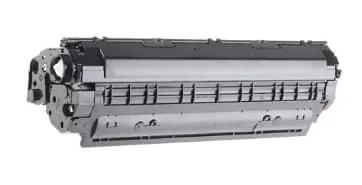
Knowing when to replace your toner cartridge helps maintain consistent print quality and prevents downtime in office or business environments. Also, replacing the cartridge at the right time ensures smooth printing performance and extends the life of your printer components. Due to advances in printing technology, modern printers display toner level warnings or status messages that provide a clear indication of remaining capacity.
In other cases, consider replacing the cartridge when you start noticing faded text, patchy graphics, or uneven print density across pages. Shaking the cartridge temporarily improves output, indicating the toner is nearly depleted and a replacement will soon be necessary. The final stage is usually when the printer stops printing entirely and displays a specific “replace cartridge” error.
Final Thoughts
Reliable printing starts with the right toner, and toner cartridges are the backbone of laser printing. Investing in a premium laser toner ensures uninterrupted operations and long-term savings. Knowing when to replace your toner maintains quality, minimises downtime, and keeps workflows efficient. By monitoring print results and replacing cartridges at the right moment, businesses ensure uninterrupted productivity, controlled printing costs, and professional output that reflects well on every operation.


