






Introduction
Door security is a key component of robust security, and mortice locks are among the most trusted and widely used locking mechanisms. Strong, reliable, and highly secure, these locks are the best choice for use in residential, commercial, and industrial doors. This simple guide helps you learn the essentials of these locks, their prominent significance, standard types, security ratings, and how they compare with cylinder locks.
What are Mortice Locks? Basic Definition & Significance
Mortice locks (also spelt “mortise”) are specialised locks that are installed into a mortice (pocket) cut directly into the door’s edge. These locks house within the door’s thickness and this internal placement is their great strength. The door’s wood itself surrounds the lock, and it is much harder to force or pry the lock open.
The significance of mortise locks lies in their durability and the level of physical security they provide. Because the locking mechanism sits inside the door, it is harder to tamper with. Many property owners prefer them for main entrances where higher security is required. They are essentially the “heavy lifting” components of residential and commercial security. Additionally, they are significant for their compatibility with various door handles and knobs.
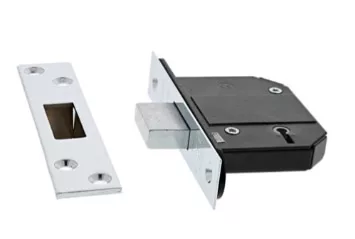
Mortice Lock Set: Complete Locking Solution
A mortice lock set refers to the full hardware package required to install and operate the lock. Instead of just the lock body, the set usually includes multiple components that work together to create a complete door security system. A typical mortice lock set includes the lock body, strike plate, key cylinder or keyhole mechanism, door handles or knobs, and fixing screws. These components are designed to work together so the lock functions smoothly and securely.
Many modern mortice lock sets also include additional security features such as anti-pick pins, hardened steel bolts, or reinforced plates. Because everything comes together as a complete kit, installing a mortice lock set is often easier and more reliable than purchasing individual components separately.
Most Popular Types Available in the Market Today
Several types of mortice locks are available; each is designed for different levels of security and door functions. Depending on whether you need a lock for the front door or a bathroom, you’ll likely encounter these three versions:
Sash Mortice Locks
Mortice sashlocks are the most common type used on external doors. They combine a latch and a deadbolt in a single mechanism. The door handle operates the latch, while the key controls the deadbolt. A mortice sashlock is perfect for back doors where you want to close the door without locking it every time.
Deadlock Mortice Locks
Deadlock mortise locks use only a bolt, operated by a key. They do not include a latch mechanism. This version is often used as an additional lock on front doors to provide extra security.
Mortice Bathroom Locks
Bathroom mortise locks are specifically designed for bathrooms and toilets. They include a latch for the door handle and a privacy bolt that can be locked from inside. These specialised versions are suitable for internal doors where privacy is required rather than high security.
Mortice Locks vs. Cylinder Locks: Which One is More Secure?
Many people compare mortise locks with cylinder locks when choosing door security. While both offer unparalleled security advantages, they differ in various ways. Cylinder locks (Euro cylinders) are incredibly popular due to their versatility and ease of replacement. However, they are vulnerable to lock snapping if not properly reinforced.
On the other hand, mortise locks are generally more robust, burrowing deep into the solid wood door. They offer high security because there are no protruding cylinders for a burglar to grab with pliers. In general, for a wooden door, a 5-lever Mortice lock is the superior physical barrier, whereas for uPVC or composite doors, a high-quality cylinder is the standard.
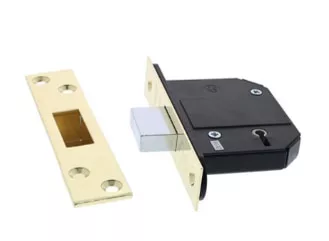
Security Ratings of Mortice Locks: Based on Number of Levers
Not all mortice locks are created equal in terms of security levels. The security of a mortice lock is determined by its standards and the number of levers housed within its mechanism. A 2-lever or 3-lever mortice lock provides basic security and is typically reserved for internal doors. For external security, a 5-lever lock is the industry minimum. 5-lever locks often include anti-pick components and hardened steel plates to resist drilling. Choosing a properly rated mortice lock helps ensure that doors provide adequate protection for both residential and commercial properties.
Summary
Mortice locks are reliable and the most trusted door locking solutions available today. Installed within the door structure, they protect against tampering and forced entry. With several types available, including sash locks, deadlocks, and bathroom locks, they can be used in many different environments. When combined with proper security ratings and quality installation, mortise locks can be a smart investment in protecting your home and property.
Related posts:
 The Installation Cost of a Generator
 Motors – AC, DC: Which One Should You Choose for Your Needs?
 What Are C Spanners? Things You Should Know
 The Role of AC/DC Adapters in Modern Electronics
 Toner Cartridges Explained: An Ultimate Guide
 Pneumatic Air Dryers: Everything You Need to Know
 Microwave Detectors: Precision Tools for Detecting Microwave Emission
 The Significance of Cable Glands in Cable Management
 A Beginner’s Guide to Data Loggers: What You Should Know
 Finding the Best Printer Ink and Ink Cartridges: A Detailed Guide
 pH Meters | An Ultimate Guide
 Extension Ladders vs Telescopic Ladders: Which One To Choose?


