


Introduction
Despite the rise of digital sensors and smart monitoring systems, the classic glass thermometer remains a symbol of scientific precision. Their accuracy, simplicity, and durability make them a reliable choice for many environments. Moreover, this guide explains what these glass tubes are, their popular types, relevance today, calibration and accuracy standards, and how they compare with modern alternatives.
What are Glass Thermometers? Basic Definition & Core Components
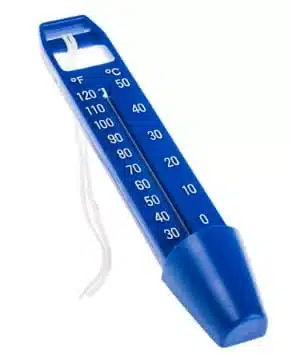
A glass thermometer is a physical temperature-measurement instrument that uses a liquid sealed within a glass tube to indicate temperature changes. As the temperature changes, the in-house liquid expands or contracts and moves along a calibrated scale marked on the glass. Because the glass is transparent, you can clearly see the liquid column and read the temperature directly from the scale. The core components of a glass thermometer include:
Glass Bulb
Located at the bottom, the bulb holds the temperature-sensitive liquid. It is designed to allow rapid heat transfer.
Capillary Tube
A narrow tube running along the thermometer’s length. The liquid moves through this tube as the temperature changes.
Temperature-Sensitive Liquid
Traditionally, mercury was used due to its uniform expansion and visibility. Today, coloured alcohol or other safer liquids are common alternatives.
Scale Markings
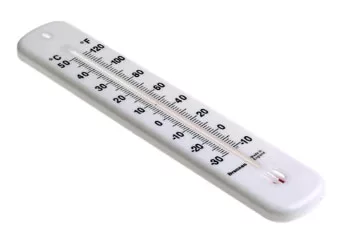
Calibrated markings printed or etched onto the glass indicate temperature in Celsius, Fahrenheit, or both.
Protective Glass Stem
The outer glass protects the internal liquid and ensures durability under normal operating conditions.
Why are Glass Thermometers Still Relevant Today?
Although digital thermometers dominate many markets, glass thermometers remain relevant for several important reasons. Their primary appeal and significance lie in their simplicity and autonomy. Because they do not require batteries or external power sources, they are immune to electronic failure, dead cells, or electromagnetic interference. They provide stable and consistent readings.
Furthermore, glass thermometers are not affected by electronic interference, signal drift, or software errors. Their mechanical nature ensures predictable performance over long periods when properly maintained. Additionally, they are cost-effective. For bulk industrial or educational use, glass thermometers are often more affordable than electronic alternatives.
Mercury vs Alcohol Glass Thermometers: Main Difference
When comparing these thermometers, the main differences lie in safety, temperature range, and visibility. Mercury thermometers use liquid mercury as the measuring liquid. Mercury expands uniformly, providing highly accurate readings. However, the toxic nature and breakage pose health and environmental risks.
Conversely, alcohol glass thermometers are typically filled with dyed ethanol or similar organic liquids. Alcohol has a lower freezing point and is safer than mercury. They are preferred for educational, meteorological, and household use where safety is a major concern.
Common Types of Glass Thermometers
Glass thermometers come in many specialised designs. Choosing the right type depends on where and how you will use it. Some of the popular variants include:
Laboratory Thermometers
These thermometers, as the name suggests, are widely used in scientific research, chemical testing, and educational labs. They often cover wide temperature ranges and provide precise graduations for accurate readings.
Clinical Thermometers
They are designed to measure human body temperature. Traditional versions were mercury-based, though safer alcohol-filled models are now common.
Industrial Thermometers
These models are built for monitoring temperatures in industrial processes. In addition, they are often reinforced for durability, making them perfect for manufacturing processes, pipelines, HVAC systems, and machinery.
Meteorological Thermometers
They are calibrated for weather stations to measure ambient air temperature. These models may be mounted in protective housings to prevent interference from direct sunlight.
Maximum and Minimum Thermometers
Also known as Six’s thermometers, these record the highest and lowest temperatures reached over a certain period. Moreover, they are widely used in environmental monitoring.
Modern Alternatives to Glass Thermometers
Technological advancements have introduced several modern temperature measurement devices. Among various modern alternatives, digital and infrared thermometers are widely used. Digital thermometers use electronic sensors to display readings instantly on a screen. An infrared thermometer is a smart and contactless option that measures temperature without physical contact by detecting thermal radiation. Furthermore, thermocouples and RTDs (resistance temperature detectors) also offer speed and automation. Thermocouples generate a voltage proportional to a temperature difference, while RTDs measure temperature based on changes in electrical resistance.
Glass Thermometers: Accuracy & Calibration Standards
The accuracy of a glass thermometer is not just a matter of manufacturing; it is a matter of rigorous physics. Many models are typically calibrated; however, over time, slight changes can occur due to various factors. To ensure precision, these instruments are often calibrated against recognised standards.
Calibration involves comparing the thermometer’s readings at specific fixed points to ensure the etched scale matches the actual scale. Proper calibration is important. Therefore, high-precision thermometers are often recalibrated periodically to account for minute physical changes, ensuring the instrument remains a gold standard for thermal measurement.
Final Thoughts
Glass thermometers are a testament to the idea that some of the best solutions are the simplest ones. While digital technology offers speed and convenience, the transparent reliability of a liquid-in-glass instrument provides a level of trust that is hard to replace. Whether used as a primary tool or a backup reference, the glass thermometer remains an indispensable anchor in the ever-evolving world of measurement science.


